고정 헤더 영역
상세 컨텐츠
본문
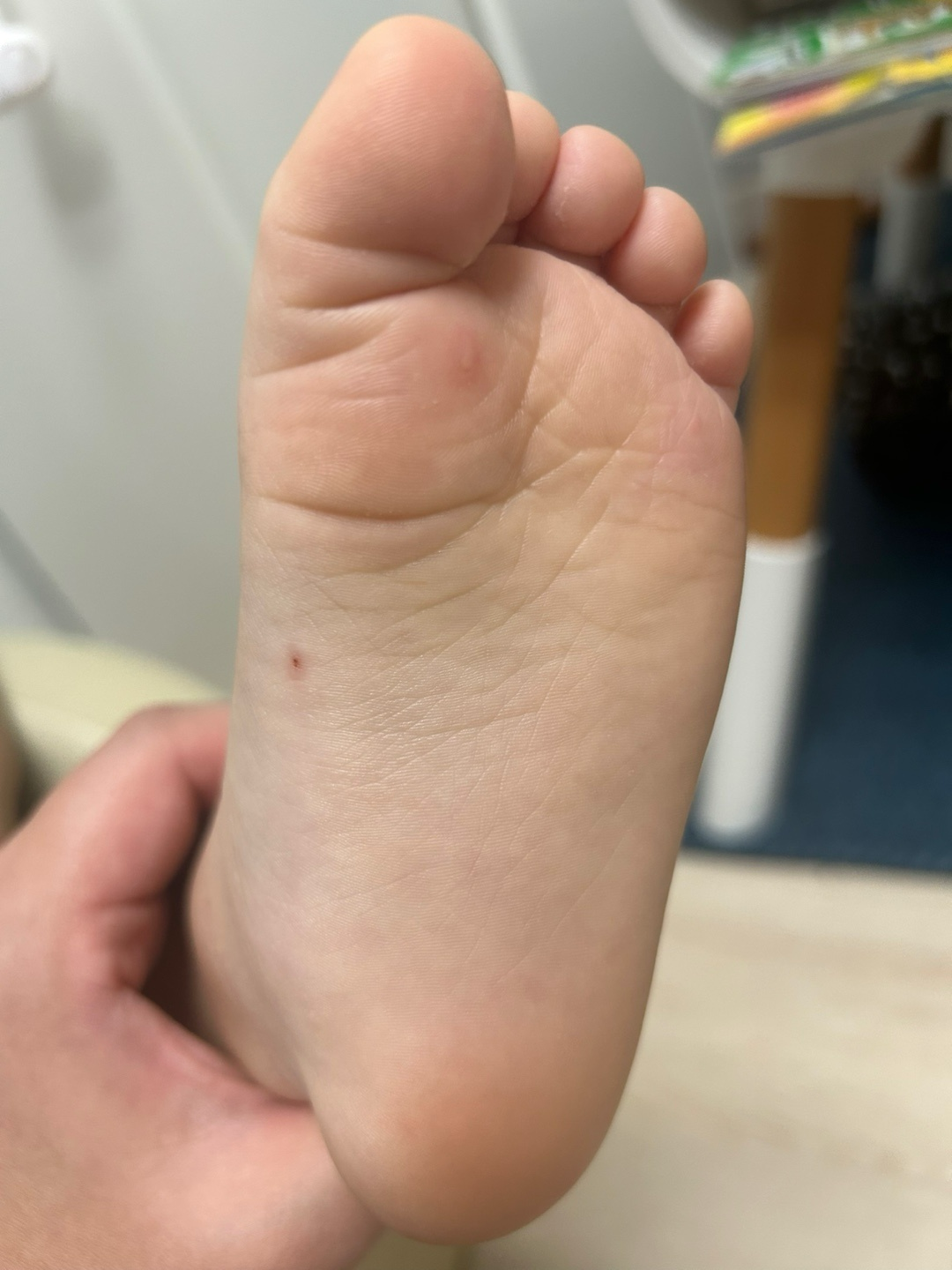
우리 아이가 어린이집/유치원을 다니기 시작하면서 가장 걱정되는 질병, 바로 수족구입니다.
저희 아기가 다니는 어린이집 공지사항으로도 수족구가 유행중이니 조심하라고 왔더라고요..
아는만큼 잘 대응 할 수 있을테니
오늘은 수족구에 대해서 알아보겠습니다!
수족구이란?
수족구(Hand, Foot, and Mouth Disease, HFMD)는 주로 5세 미만 영유아에게 흔하게 발생하는 급성 바이러스성 질환입니다.
손, 발, 입안에 수포(물집)와 발진이 생기는 것이 특징이며, 여름철과 초가을에 주로 유행합니다.
대부분 경미한 증상으로 일주일 이내에 자연 회복되지만, 일부 환자에서는 뇌수막염, 뇌염 등 심각한 합병증이 발생할 수 있어 주의가 필요합니다 (Zhu et al., 2023; Koh et al., 2018).

수족구의 원인 바이러스
수족구은 엔테로바이러스 계열의 여러 바이러스에 의해 발생합니다.
주요 원인 바이러스
- 콕사키바이러스 A16형 (CV-A16): 가장 흔한 원인 바이러스입니다
- 콕사키바이러스 A6형 (CV-A6): 최근 유행의 주요 원인으로 부상했습니다 (Kalam & Balasubramaniam, 2024)
- 엔테로바이러스 71형 (EV-A71): 뇌수막염, 뇌염 등 중증 합병증을 일으킬 위험이 높아 특히 주의가 필요합니다 (Li et al., 2025; Nhan et al., 2020)
- 기타: 콕사키바이러스 A5, A7, A9, A10형, B2, B5형 등도 원인이 될 수 있습니다
중요: 이 바이러스들은 일상 온도에서 강하게 생존하며, 50℃ 이상의 고온에서만 사멸됩니다. 알코올 소독에도 잘 견디기 때문에 철저한 손 씻기와 환경 소독이 중요합니다.
수족구의 전파 경로와 감염 위험
수족구는 전염성이 매우 강한 질환입니다. 주요 전파 경로는 다음과 같습니다.

1. 분변-구강 감염
감염자의 대변에 오염된 손을 통해 전파됩니다. 배변 후 손 씻기가 매우 중요합니다 (Min et al., 2021).
놀랍게도 빈도는 이 경로가 가장 높다고 합니다.
2. 호흡기 분비물 접촉
환자의 침, 가래, 콧물 등을 통해 전염되며, 기침이나 재채기 시 비말로도 감염됩니다 (Cox et al., 2025).
3. 오염된 물건 접촉
장난감, 교구, 문 손잡이 등 감염자가 만진 물건을 통해서도 전파될 수 있습니다 (Ventarola et al., 2015).
4. 수포 진물 접촉
피부 물집에서 나오는 진물과의 직접 접촉으로 감염될 수 있습니다.
5. 물놀이 시설
여름철 워터파크나 물놀이 시설의 오염된 물을 통해서도 감염 가능합니다.
주의: 증상이 나타나기 전부터 바이러스가 배출될 수 있으며, 증상이 사라진 후에도 몇 주간 전염력이 유지됩니다. 대변으로는 수개월까지 바이러스가 분비될 수 있습니다 (Takahashi et al., 2016).
수족구 치료 방법
현재까지 수족구에 대한 특별한 항바이러스제는 없으며, 증상 완화를 위한 대증요법이 주된 치료법입니다
(Zhu et al., 2023; Kalam & Balasubramaniam, 2024).
가정에서의 치료 및 관리
1. 통증과 발열 관리
- 해열진통제(아세트아미노펜 또는 이부프로펜) 사용
- 주의: 아스피린은 라이 증후군 위험으로 소아에게 금지
- 입안 통증이 심할 경우 스프레이 형식의 진통제 사용 가능
2. 수분 섭취와 탈수 예방
- 입안 궤양으로 인한 탈수 주의
- 찬 음식이나 음료가 도움 (아이스크림, 요거트, 갈아 만든 과일 등)
- 뜨거운 음식, 맵고 짠 음식은 피하기
- 심한 탈수 시 입원하여 정맥 수액 공급 필요
3. 격리
- 열이 내리고 입안 물집이 나을 때까지 어린이집, 유치원, 학교 등원 자제
- 전염성이 매우 강하므로 가정 내에서도 주의
4. 환경 소독
- 장난감, 놀이기구, 문 손잡이 등 자주 만지는 물건 소독
- 청결한 환경 유지
합병증 발생 시 즉시 병원 방문
다음 증상이 나타나면 즉시 의료기관을 방문해야 합니다:
- 고열(38.5℃ 이상)이 지속될 때
- 심한 두통, 구토
- 의식 저하, 혼미
- 팔다리 약화, 마비 증상
- 경련 발작
- 호흡곤란, 청색증
중증 환자의 일부는 신경학적 후유증이 남을 수 있어 장기 추적관찰이 필요합니다 (Chen et al., 2025; Qin et al., 2019).
백신 정보
EV-A71 백신이 중국 등 일부 국가에서 도입되어 EV-A71로 인한 중증 수족구 예방에 효과를 보이고 있으나, 다른 엔테로바이러스에는 효과가 제한적입니다 (Yan et al., 2025; Zhang et al., 2022). 현재 여러 바이러스를 동시에 예방할 수 있는 다가 백신 개발이 진행 중입니다 (Hong et al., 2022).
2025년 수족구 유행 현황
최근 유행 추세
2025년 8월 기준, 수족구 환자가 지속적으로 증가하고 있습니다.
- 2025년 33주차(8월 10~16일): 외래환자 1,000명당 26.7명 기록
- 0~6세 영유아: 1,000명당 36.4명으로 7~18세(7.1명)보다 5배 이상 높은 수준
- 5월 말(1.5명) 이후 꾸준히 증가하는 추세
유행 원인
코로나19 팬데믹 기간 동안 수족구 유행이 크지 않아 지역사회 집단면역력이 낮아진 것이 주요 원인으로 분석됩니다.
질병관리청은 봄에서 가을 사이에 환자 발생이 지속될 것으로 전망하고 있습니다.
과거 유행 비교
- 2024년: 7월 기준 영유아 1,000명당 78.5명으로 과거 최고 수준인 2019년(77.6명)을 초과하며 최근 10년간 가장 큰 유행 기록
- 2023년: 4월 말부터 7월까지 유행
예방을 위한 실천 수칙
수족구 예방 백신이 국내에는 아직 없기 때문에 개인위생 관리가 가장 중요합니다.
올바른 손 씻기
✅ 외출 후
✅ 배변 후
✅ 식사 전후
✅ 기저귀 교체 후
흐르는 물에 비누로 30초 이상 손을 깨끗이 씻어야 합니다.
호흡기 예절
- 기침이나 재채기 시 옷소매 위쪽으로 입과 코 가리기
- 사용한 휴지는 바로 쓰레기통에 버리기
환경 관리
- 아이들이 자주 만지는 장난감, 놀이기구 정기적으로 소독
- 집안 환경을 청결하게 유지
- 공용 물품 사용 후 손 씻기
격리 및 관리
- 수족구 의심 증상 발생 시 어린이집, 유치원 등원 자제
- 가족 구성원 간 수건, 식기 등 개인 물품 분리 사용
- 환자와의 접촉 최소화
마무리
수족구은 대부분 자연 회복되는 질환이지만, 영유아에게 흔하고 전염성이 강하며 드물게 심각한 합병증을 일으킬 수 있습니다 (Xing et al., 2014; Wang et al., 2020).
2025년 현재 환자가 증가하는 추세이므로, 철저한 손 씻기와 개인위생 관리를 통해 감염을 예방하는 것이 중요합니다. 의심 증상 발생 시 빠른 격리와 적절한 대증 치료로 합병증을 예방하고, 중증 증상이 나타나면 즉시 의료기관을 방문해야 합니다.
참고문헌
Chen, Y., Ji, W., Duan, G., et al. (2025). Childhood hand, foot and mouth disease sequelae cohort study in Henan, China: cohort profile. BMJ Open, 15. https://doi.org/10.1136/bmjopen-2024-083958
Cox, V., Jahis, R., Bakar, R., et al. (2025). Spatio-temporal dynamics of hand, foot and mouth disease in Malaysia, 2009–2019. PLOS Neglected Tropical Diseases, 19. https://doi.org/10.1371/journal.pntd.0013174
Hong, J., Liu, F., Qi, H., et al. (2022). Changing epidemiology of hand, foot, and mouth disease in China, 2013−2019: a population-based study. The Lancet Regional Health: Western Pacific, 20. https://doi.org/10.1016/j.lanwpc.2021.100370
Kalam, N., & Balasubramaniam, V. (2024). Changing Epidemiology of Hand, Foot, and Mouth Disease Causative Agents and Contributing Factors. The American Journal of Tropical Medicine and Hygiene. https://doi.org/10.4269/ajtmh.23-0852
Koh, W., Badaruddin, H., La, H., Chen, M., & Cook, A. (2018). Severity and burden of hand, foot and mouth disease in Asia: a modelling study. BMJ Global Health, 3. https://doi.org/10.1136/bmjgh-2017-000442
Li, Y., Yang, J., Liang, L., et al. (2025). Clinical characteristics and severity of hand, foot, and mouth disease by virus serotype: A prospective hospital-based cohort study. PLOS Neglected Tropical Diseases, 19. https://doi.org/10.1371/journal.pntd.0013039
Min, N., Ong, Y., Han, A., et al. (2021). An epidemiological surveillance of hand foot and mouth disease in paediatric patients and in community: A Singapore retrospective cohort study, 2013–2018. PLoS Neglected Tropical Diseases, 15. https://doi.org/10.1371/journal.pntd.0008885
Nhan, L., Khanh, T., Hong, N., et al. (2020). Clinical, etiological and epidemiological investigations of hand, foot and mouth disease in southern Vietnam during 2015 – 2018. PLoS Neglected Tropical Diseases, 14. https://doi.org/10.1371/journal.pntd.0008544
Qin, L., Dang, D., Wang, X., et al. (2019). Identification of immune and metabolic predictors of severe hand-foot-mouth disease. PLoS ONE, 14. https://doi.org/10.1371/journal.pone.0216993
Takahashi, S., Liao, Q., Boeckel, T., et al. (2016). Hand, Foot, and Mouth Disease in China: Modeling Epidemic Dynamics of Enterovirus Serotypes and Implications for Vaccination. PLoS Medicine, 13. https://doi.org/10.1371/journal.pmed.1001958
Ventarola, D., Bordone, L., & Silverberg, N. (2015). Update on hand-foot-and-mouth disease. Clinics in Dermatology, 33(3), 340-346. https://doi.org/10.1016/j.clindermatol.2014.12.011
Wang, Y., Zhao, H., Ou, R., et al. (2020). Epidemiological and clinical characteristics of severe hand-foot-and-mouth disease (HFMD) among children: a 6-year population-based study. BMC Public Health, 20. https://doi.org/10.1186/s12889-020-08961-6
Xing, W., Liao, Q., Viboud, C., et al. (2014). Hand, foot, and mouth disease in China, 2008-12: an epidemiological study. The Lancet Infectious Diseases, 14(4), 308-318. https://doi.org/10.1016/s1473-3099(13)70342-6
Yan, X., Liu, Y., Chen, F., et al. (2025). The efficacy and effectiveness of enterovirus A71 vaccines against hand, foot, and mouth disease: A systematic review and meta-analysis. PLOS One, 20. https://doi.org/10.1371/journal.pone.0323782
Zhang, X., Zhang, Y., Li, H., & Liu, L. (2022). Hand-Foot-and-Mouth Disease-Associated Enterovirus and the Development of Multivalent HFMD Vaccines. International Journal of Molecular Sciences, 24. https://doi.org/10.3390/ijms24010169
Zhu, P., Ji, W., Li, D., et al. (2023). Current status of hand-foot-and-mouth disease. Journal of Biomedical Science, 30. https://doi.org/10.1186/s12929-023-00908-4
'우리 가족 건강관리' 카테고리의 다른 글
| 임신 중 코로나19 감염, 태아에게 항체가 전달될까? (0) | 2025.11.21 |
|---|---|
| 우리 아이 야경증 언제까지? 자연스럽게 사라지는 이유와 시기 (0) | 2025.11.20 |
| 아기 알레르기 예방, '이때' 시작해야 합니다 (0) | 2025.11.11 |
| 월령별 아기 수면시간부터 안전수칙까지 (0) | 2025.11.10 |
| 신생아 밤중 코막힘의 5가지 이유와 대처법 (0) | 2025.11.03 |


