고정 헤더 영역
상세 컨텐츠
본문
"우리 아기, 도대체 언제 푹 자는 걸까요?" "밤에 자꾸 깨는데 괜찮은 걸까요?"
초보 부모님이라면 누구나 한 번쯤 '아기 수면' 문제로 밤잠을 설쳐본 경험이 있으실 겁니다. 아기의 수면은 단순히 쉬는 시간이 아니라, 뇌가 폭발적으로 성장하고 발달하는 매우 중요한 시간입니다.
하지만 아기들은 월령에 따라 필요한 수면 시간과 패턴이 모두 다릅니다. 언제까지가 정상 범위인지, 혹시 위험한 신호는 아닌지 헷갈리기 쉽죠.
오늘 포스팅에서는 최신 연구 결과들을 바탕으로 월령별 아기 수면시간, 안전한 수면 환경 조성법, 그리고 부모가 꼭 알아야 할 위험 신호까지 꼼꼼하게 정리해 드립니다.
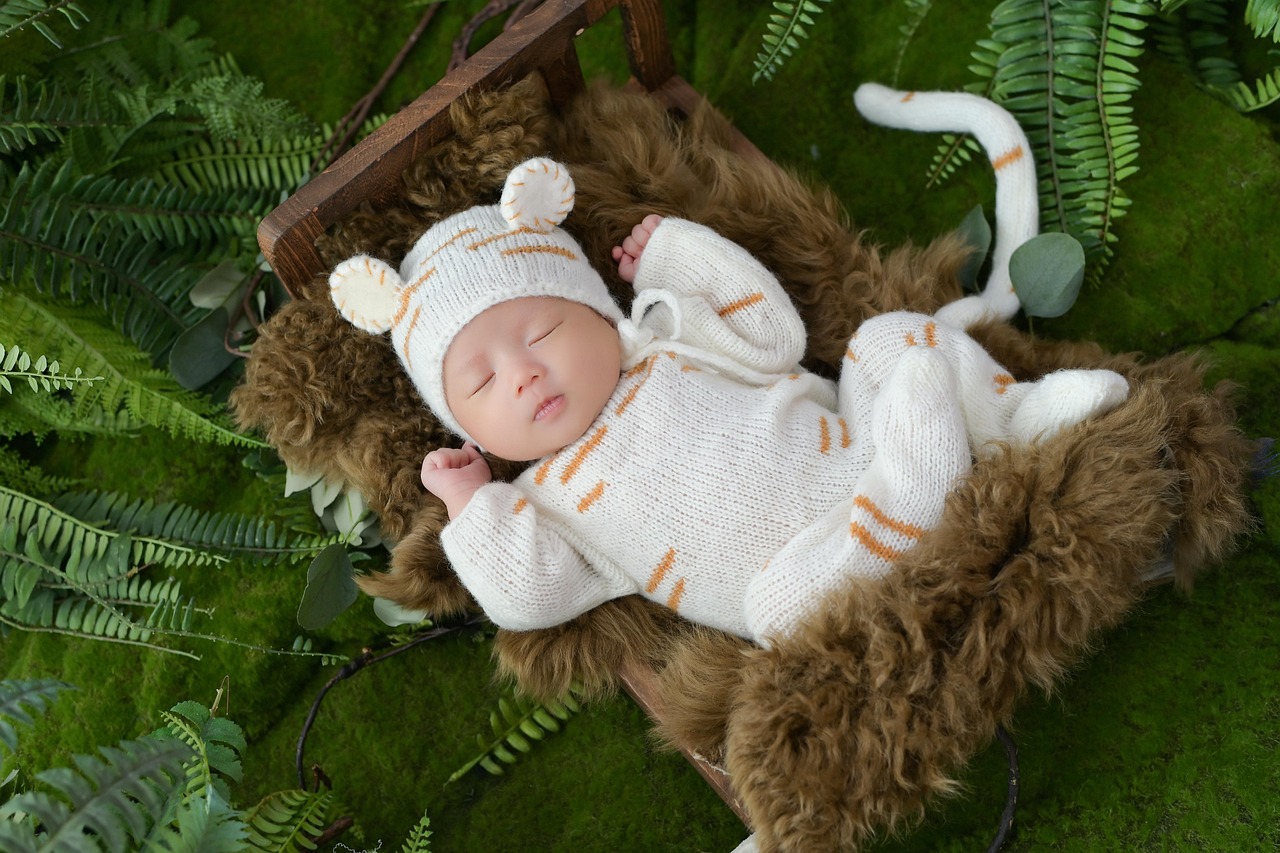
1. 우리 아기, 얼마나 자야 할까요? (월령별 정상 수면시간)
아기들은 성장하면서 수면 패턴이 역동적으로 변합니다.
특히 1년 동안 총 수면 시간은 줄어들고, 밤잠은 길어지며, 낮잠은 짧아지는 경향을 보입니다
(Paavonen et al., 2020; Galland et al., 2012).
우리 아기가 평균 범위에 속하는지 확인해 보세요.
- 0~3개월:
- 총 수면: 14~17시간
- 특징: 아직 밤낮 구분이 없고, 수면-각성 주기가 불규칙합니다. 밤에도 2~3시간마다 자주 깹니다
(Paavonen et al., 2020; Sullivan et al., 2023).
- 4~6개월:
- 총 수면: 12~16시간
- 특징: 서서히 밤 수면이 길어지기 시작하며 낮잠이 줄어듭니다. 이 시기부터 수면 교육을 시작하기도 합니다
(Galland et al., 2012; Henderson et al., 2011).
- 7~12개월 (돌 전후):
- 총 수면: 12~15시간
- 특징: 밤에 깨지 않고 연속으로 자는 시간이 늘어나고, 낮잠은 보통 오전에 1번, 오후에 1번 총 2회로 자리 잡습니다
(Paavonen et al., 2020).
- 1~2세:
- 총 수면: 11~14시간
- 특징: 수면 패턴이 안정기에 접어들며, 낮잠이 1~2회로 줄어듭니다 (Henderson et al., 2011).
Tip: 이 시간은 '평균'입니다. 아기마다 기질이 다르므로 1~2시간 정도의 차이는 있을 수 있습니다. 하지만 평균보다 2시간 이상 지속적으로 적게 잔다면 전문가와 상담이 필요할 수 있습니다 (Paavonen et al., 2020; Sette et al., 2017).
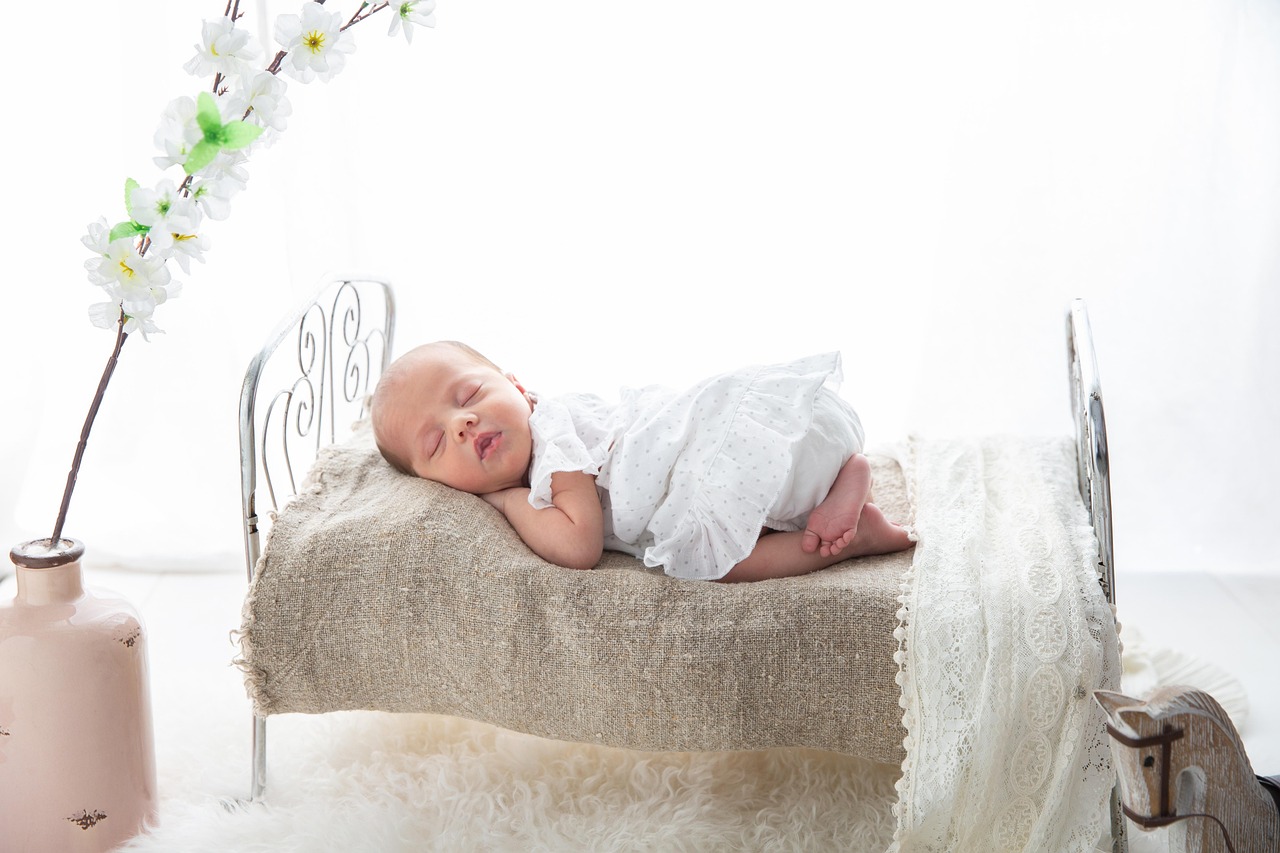
2. "이것만은 꼭!" 안전한 수면 환경 5가지
아기의 안전한 수면 환경을 만드는 것은 부모의 가장 중요한 의무입니다. 특히 영아 돌연사증후군(SIDS)을 예방하기 위해 다음 수칙들은 반드시 지켜야 합니다.
- 등을 대고 재우기: 가장 중요한 첫 번째 원칙입니다. 엎어 재우거나 옆으로 재우면 질식 및 SIDS의 위험이 크게 높아집니다. 아기가 뒤집기를 시작했더라도, 잠자리에 눕힐 때는 반드시 등을 바닥에 대고 눕혀야 합니다 (Pediatrics, 2016; Moon et al., 2022).
- 침대는 딱딱하고 깨끗하게: 푹신한 매트리스, 두꺼운 이불, 베개, 범퍼 가드, 푹신한 인형 등은 아기의 얼굴을 덮어 질식 위험을 높입니다. 아기 침대에는 꼭 맞는 시트를 씌운 딱딱한 매트리스 외에는 아무것도 두지 않는 것이 가장 안전합니다 (Pediatrics, 2016; Batra et al., 2016; Colvin et al., 2014).
- 방은 같이, 잠자리는 따로: 아기가 생후 1년이 될 때까지는 부모와 같은 방에서 자는 것(방 공유)이 좋습니다. 하지만 같은 침대에서 자는 것(침대 공유, 동침)은 부모가 잠결에 아기를 누를 수 있어 매우 위험합니다 (Moon, 2016; Paul et al., 2017).
- 적정 온도 유지, 금연은 필수: 방 안이 너무 덥거나 아기 옷을 두껍게 입히면 SIDS 위험이 증가합니다. 또한, 부모의 흡연, 음주, 약물 복용은 아기의 수면 중 각성 능력을 떨어뜨려 치명적일 수 있습니다 (Pediatrics, 2016; Moon et al., 2022).
- 규칙적인 수면 루틴 만들기: 매일 일정한 시간에 잠자리에 드는 습관은 아기가 충분한 수면을 취하고 건강한 수면 패턴을 형성하는 데 도움이 됩니다 (Wheaton & Claussen, 2021; Quante et al., 2022).
월령별 적정 온도가 궁금하다면?
신생아·영아 월령별 적정 온도 가이드
초보 부모님들에게 아기 육아 중 가장 어렵고 신경 쓰이는 부분 중 하나가 바로 '온도 조절'입니다.아기, 특히 신생아는 스스로 체온을 조절하는 능력이 미숙하기 때문에 주변 환경 온도에 매우
tuche-0407.tistory.com
3. 이건 '빨간불'! 병원 가야 하는 위험 신호
아기가 밤에 깨는 것은 정상이지만, 다음과 같은 신호가 보인다면 수면 문제나 다른 건강 문제를 의심하고 전문가의 진료가 필요합니다.
- 월령별 평균보다 지속적으로 2시간 이상 적게 자거나, 1년 내내 총 수면시간이 10시간 이하일 때
(Paavonen et al., 2020; Sette et al., 2017). - 밤에 3회 이상 반복적으로 깨고 쉽게 다시 잠들지 못할 때.
- 자면서 숨소리가 이상하거나(그르렁거림, 거친 숨), 잠시 숨을 멈추는(무호흡) 모습이 보일 때.
- 아기 얼굴이나 입술이 파랗게 변하는 청색증이 나타날 때 (Pediatrics, 2016; Colvin et al., 2014).
- 수면 중 경련을 하거나 몸을 반복적으로 떨 때, 또는 낮에도 과도하게 졸려 하고 쳐질 때 (Cook et al., 2020; Sette et al., 2017).
지속적인 수면 문제는 아기의 정서 및 행동 발달에도 영향을 미칠 수 있으므로, 걱정되는 부분이 있다면 주저하지 말고 소아청소년과 전문의와 상담하세요 (Cook et al., 2020).
결론
아기의 수면은 아기 성장에 굉장히 중요한 요소입니다. 월령별 발달 특성을 이해하고, 무엇보다 '안전한 수면 환경'을 최우선으로 지키는 것이 중요합니다. 오늘 알려드린 내용을 바탕으로 우리 아기의 건강한 잠자리 습관을 만들어주세요!
[참고문헌]
(2016). SIDS and Other Sleep-Related Infant Deaths: Updated 2016 Recommendations for a Safe Infant Sleeping Environment. Pediatrics, 138. https://doi.org/10.1542/peds.2016-2938
Batra, E., Teti, D., Schaefer, E., Neumann, B., Meek, E., & Paul, I. (2016). Nocturnal Video Assessment of Infant Sleep Environments. Pediatrics, 138. https://doi.org/10.1542/peds.2016-1533
Bombard, J., Kortsmit, K., Warner, L., Shapiro-Mendoza, C., Cox, S., Kroelinger, C., Parks, S., Dee, D., D’Angelo, D., Smith, R., Burley, K., Morrow, B., Olson, C., Shulman, H., Harrison, L., Cottengim, C., & Barfield, W. (2018). Vital Signs: Trends and Disparities in Infant Safe Sleep Practices — United States, 2009–2015. Morbidity and Mortality Weekly Report, 67, 39 - 46. https://doi.org/10.15585/mmwr.mm6701e1
Cissé, A., Pierrat, V., Kaminski, M., Ancel, P., & Plancoulaine, S. (2019). 0772 Early Factors Associated With Preterm Infant Sleep Patterns At Age 1 Year In The EPIPAGE-2 National Birth-Cohort. Sleep. https://doi.org/10.1093/sleep/zsz067.770
Colvin, J., Collie-Akers, V., Schunn, C., & Moon, R. (2014). Sleep Environment Risks for Younger and Older Infants. Pediatrics, 134, e406 - e412. https://doi.org/10.1542/peds.2014-0401
Cook, F., Conway, L., Giallo, R., Gartland, D., Sciberras, E., & Brown, S. (2020). Infant sleep and child mental health: a longitudinal investigation. Archives of Disease in Childhood, 105, 655 - 660. https://doi.org/10.1136/archdischild-2019-318014
Dickson, G., & Schubert, E. (2019). How does music aid sleep? literature review.. Sleep medicine, 63, 142-150. https://doi.org/10.1016/j.sleep.2019.05.016
Galland, B., Taylor, B., Elder, D., & Herbison, P. (2012). Normal sleep patterns in infants and children: a systematic review of observational studies.. Sleep medicine reviews, 16 3, 213-22. https://doi.org/10.1016/j.smrv.2011.06.001
Haghayegh, S., Khoshnevis, S., Smolensky, M., Diller, K., & Castriotta, R. (2019). Before-bedtime passive body heating by warm shower or bath to improve sleep: A systematic review and meta-analysis.. Sleep medicine reviews, 46, 124-135. https://doi.org/10.1016/j.smrv.2019.04.008
He, B., Zhang, L., Zhuang, J., Xu, J., Li, P., & Peng, H. (2019). The effects of different meditation exercises on sleep quality in older people: a network meta-analysis. European Geriatric Medicine, 10, 543-552. https://doi.org/10.1007/s41999-019-00212-1
Henderson, J., France, K., & Blampied, N. (2011). The consolidation of infants' nocturnal sleep across the first year of life.. Sleep medicine reviews, 15 4, 211-20. https://doi.org/10.1016/j.smrv.2010.08.003
Moon, R. (2016). SIDS and Other Sleep-Related Infant Deaths: Evidence Base for 2016 Updated Recommendations for a Safe Infant Sleeping Environment. Pediatrics, 138. https://doi.org/10.1542/peds.2016-2940
Moon, R., Carlin, R., & Hand, I. (2022). Evidence Base for 2022 Updated Recommendations for a Safe Infant Sleeping Environment to Reduce the Risk of Sleep-Related Infant Deaths.. Pediatrics, 150 1. https://doi.org/10.1542/peds.2022-057991
Paavonen, E., Saarenpää-Heikkilä, O., Morales-Muñoz, I., Virta, M., Häkälä, N., Pölkki, P., Kylliäinen, A., Karlsson, H., Paunio, T., Karlsson, L., & Paavonen, J. (2020). Normal sleep development in infants: findings from two large birth cohorts.. Sleep medicine, 69, 145-154. https://doi.org/10.1016/j.sleep.2020.01.009
Paul, I., Hohman, E., Loken, E., Savage, J., Anzman‐Frasca, S., Carper, P., Marini, M., & Birch, L. (2017). Mother-Infant Room-Sharing and Sleep Outcomes in the INSIGHT Study. Pediatrics, 140. https://doi.org/10.1542/peds.2017-0122
Quante, M., Hong, B., Von Ash, T., Yu, X., Kaplan, E., Rueschman, M., Jackson, C., Haneuse, S., Davison, K., Taveras, E., & Redline, S. (2020). Associations between subjectively and objectively measured sleep duration and timing in infants at age 6 months.. Sleep. https://doi.org/10.1093/sleep/zsaa217
Quante, M., McGee, G., Yu, X., Von Ash, T., Luo, M., Kaplan, E., Rueschman, M., Haneuse, S., Davison, K., Redline, S., & Taveras, E. (2022). Associations of sleep-related behaviors and the sleep environment at infant age one month with sleep patterns in infants five months later.. Sleep medicine, 94, 31-37. https://doi.org/10.1016/j.sleep.2022.03.019
Sette, S., Baumgartner, E., Ferri, R., & Bruni, O. (2017). Predictors of sleep disturbances in the first year of life: a longitudinal study.. Sleep medicine, 36, 78-85. https://doi.org/10.1016/j.sleep.2017.04.015
Silveira, K., Serra-Negra, J., Prado, I., Abreu, L., Reis, T., & Auad, S. (2023). Sleep disturbances are associated with feeding practices and age in preterm infants.. Sleep medicine, 111, 2-8. https://doi.org/10.1016/j.sleep.2023.08.030
Sulaman, B., Wang, S., Tyan, J., & Eban-Rothschild, A. (2022). Neuro-orchestration of sleep and wakefulness. Nature Neuroscience, 26, 196-212. https://doi.org/10.1038/s41593-022-01236-w
Sullivan, M., Livingstone, V., Korotchikova, I., Dempsey, E., Murray, D., & Boylan, G. (2023). Reference centiles for infant sleep parameters from 4 to 16 weeks of age: findings from an Irish cohort. Archives of Disease in Childhood, 108, 481 - 485. https://doi.org/10.1136/archdischild-2022-324016
Swift, A., Horger, M., Holmes, J., Riggins, T., & Spencer, R. (2025). 0318 Longitudinal Study of Sleep Duration and Variability Across Early Childhood. SLEEP. https://doi.org/10.1093/sleep/zsaf090.0318
Taillard, J., Sagaspe, P., Philip, P., & Bioulac, S. (2021). Sleep timing, chronotype and social jetlag: Impact on cognitive abilities and psychiatric disorders.. Biochemical pharmacology, 114438. https://doi.org/10.1016/j.bcp.2021.114438
Wheaton, A., & Claussen, A. (2021). Short Sleep Duration Among Infants, Children, and Adolescents Aged 4 Months–17 Years — United States, 2016–2018. Morbidity and Mortality Weekly Report, 70, 1315 - 1321. https://doi.org/10.15585/mmwr.mm7038a1
Yu, X., Quante, M., Rueschman, M., Ash, T., Kaplan, E., Guo, N., Horan, C., Haneuse, S., Davison, K., Taveras, E., & Redline, S. (2020). Emergence of racial/ethnic and socioeconomic differences in objectively measured sleep-wake patterns in early infancy: results of the Rise & SHINE study.. Sleep. https://doi.org/10.1093/sleep/zsaa193
'우리 가족 건강관리' 카테고리의 다른 글
| 수족구 증상부터 예방까지 | 2025년 최신 유행 정보와 치료법 총정리 (0) | 2025.11.18 |
|---|---|
| 아기 알레르기 예방, '이때' 시작해야 합니다 (0) | 2025.11.11 |
| 신생아 밤중 코막힘의 5가지 이유와 대처법 (0) | 2025.11.03 |
| 신생아·영아 월령별 적정 온도 가이드 (0) | 2025.11.02 |
| '유기농' vs '무농약', 친환경 인증 마크의 의미 (0) | 2025.10.24 |


