고정 헤더 영역
상세 컨텐츠
본문
초보 부모님들에게 아기 육아 중 가장 어렵고 신경 쓰이는 부분 중 하나가 바로 '온도 조절'입니다.
아기, 특히 신생아는 스스로 체온을 조절하는 능력이 미숙하기 때문에 주변 환경 온도에 매우 민감합니다
(Sauer et al., 1984; Dunne et al., 2024; McCall et al., 2018).
아기의 월령, 체중, 그리고 태어난 주수에 따라 적절한 온도 관리는 아기의 건강과 안전에 직결됩니다.
너무 추우면 저체온증의 위험이, 너무 더우면 고체온증이나 영아돌연사증후군(SIDS)의 위험이 커질 수 있기 때문입니다
(Auger et al., 2015).
특히나 우리 할머니들은 아기를 더 따뜻하게 해주려고 하시고, 젊은 엄마/아빠는 요즘은 춥게 키우는게 맞다고 신경전을 하는게 밈이 됐을 정도죠
오늘 포스팅에서는 최신 연구 논문들을 바탕으로 아기 월령별/상황별 과학적인 온도 관리 가이드를 총정리해 드립니다.
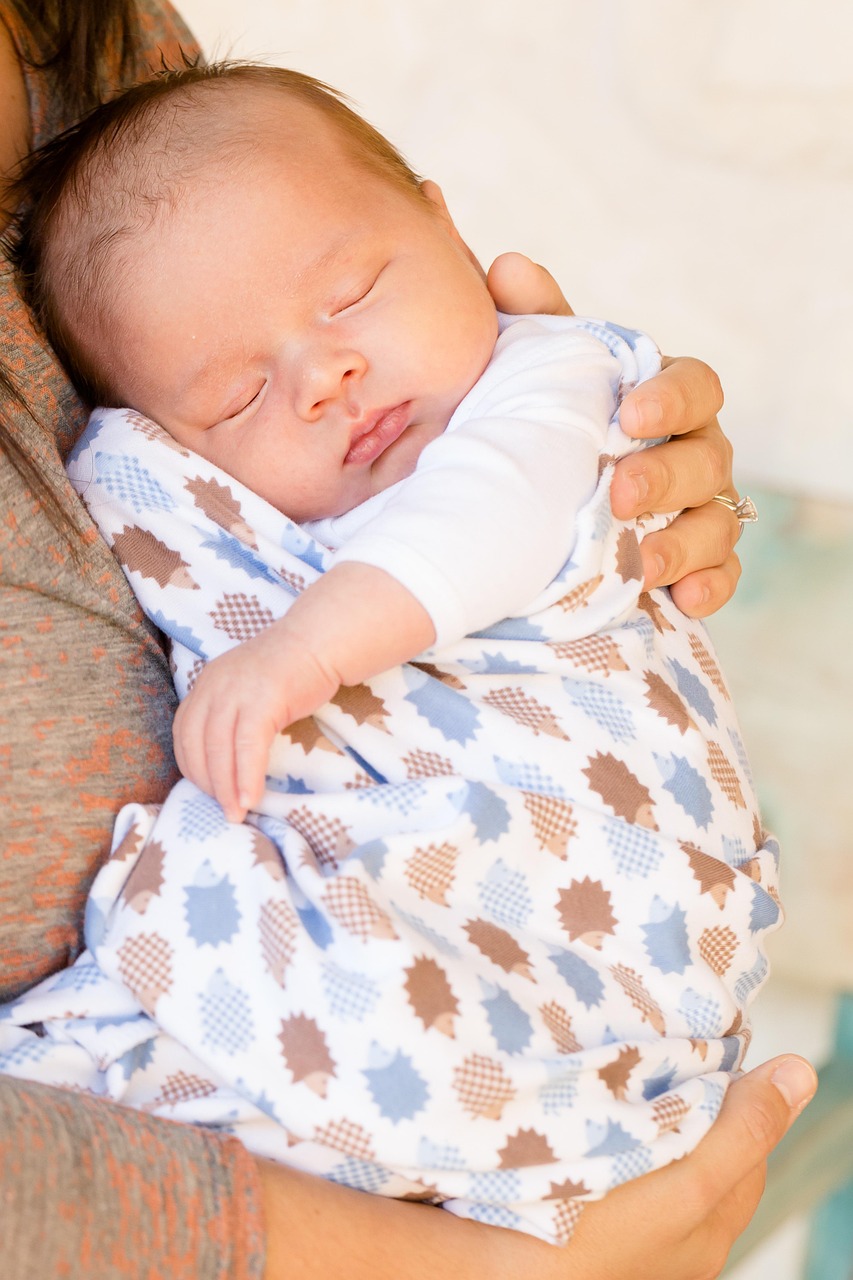
1. 월령별 아기방 적정 온도 가이드
아기의 발달 상태에 따라 권장되는 환경 온도는 다릅니다.
미숙아 (특히 29~34주, 생후 1주 이내)
미숙아는 체온 유지가 매우 중요해 '중립 온도'를 유지해야 합니다.
이는 아기의 심부 체온을 36.7~37.3℃로 유지하고 피부 온도 변화를 시간당 0.2 ~ 0.3℃/h 미만으로 관리하는 것을 의미합니다.
생후 첫 주는 임신 주수와 경과일에 따라, 이후에는 체중과 경과일에 맞춰 인큐베이터 등으로 매우 세밀하게 온도를 조절합니다 (Sauer et al., 1984; Dunne et al., 2024; McCall et al., 2018).
만삭 신생아 (생후 24시간 이내)
갓 태어난 만삭아는 WHO(세계보건기구) 권고에 따라 36.5~37.5℃의 체온을 유지하는 것이 좋습니다.
- 분만실: 26~30℃의 높은 온도를 유지합니다.
- 병실/가정: 약 24℃ 내외의 방에서 산모와의 피부 접촉(캥거루 케어)을 하거나, 옷, 모자, 담요로 아기를 따뜻하게 감싸줍니다 (Dunne et al., 2024; Ys et al., 2013; Tveiten et al., 2024; McCall et al., 2018).
말랑하니 디지털 벽걸이 온습도계 백라이트 습도계 온도계 - 온습도계 | 쿠팡
현재 별점 4.8점, 리뷰 298개를 가진 말랑하니 디지털 벽걸이 온습도계 백라이트 습도계 온도계! 지금 쿠팡에서 더 저렴하고 다양한 온습도계 제품들을 확인해보세요.
www.coupang.com
3~4개월 영아
이 시기 아기들의 평균적인 방 온도는 18~22℃가 권장됩니다.
단순히 방 온도만 맞추는 것이 아니라, 아기 옷과 이불의 보온력을 조절하는 것이 매우 중요합니다.
같은 월령이라도 체중이 적게 나가는 아기는 더 따뜻한 환경이 필요할 수 있습니다 (Wailoo et al., 1989).
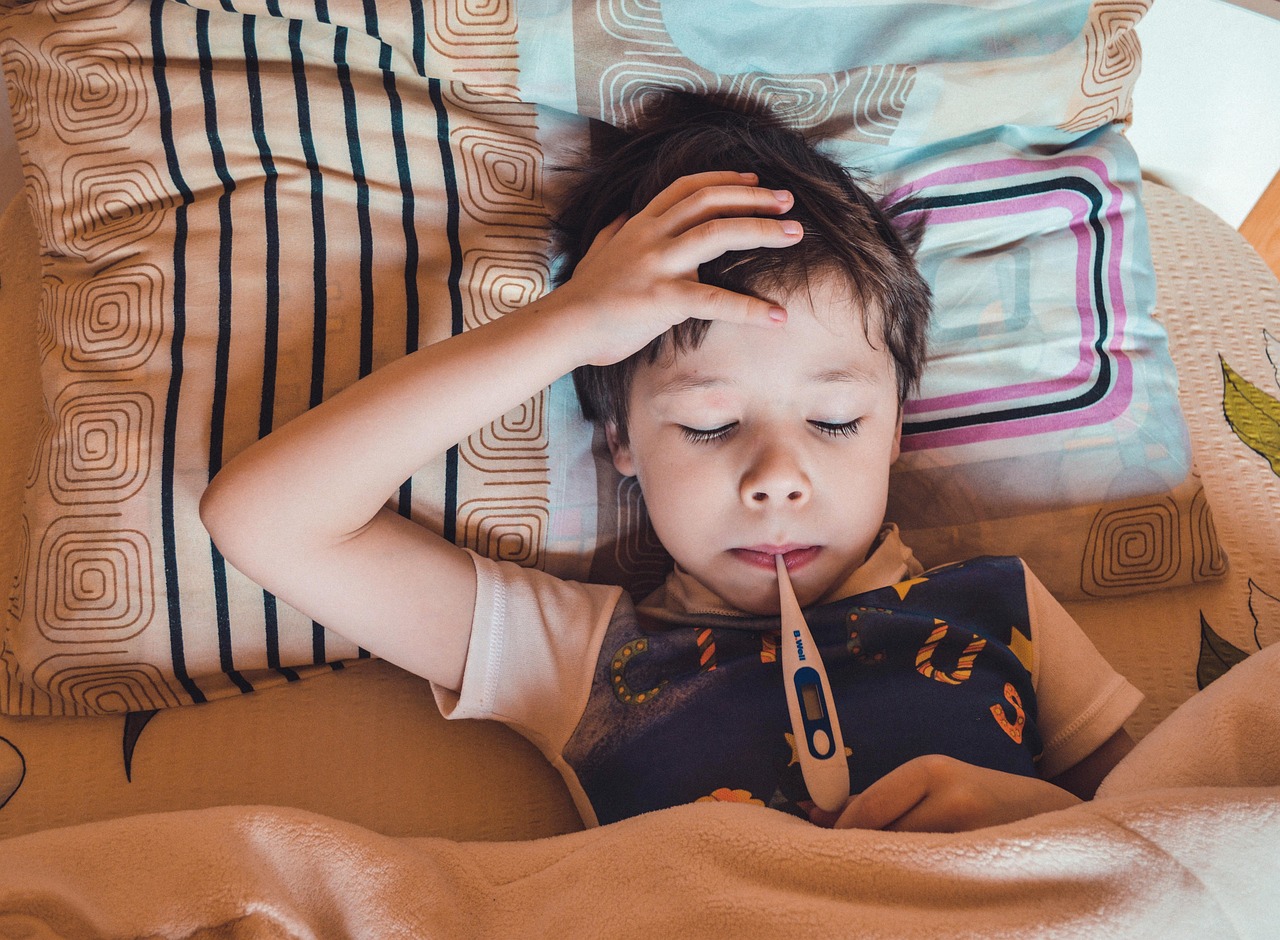
2. 저체온 vs 고체온: 꼭 피해야 할 위험 신호
온도 관리에 실패하면 저체온증 또는 고체온증에 빠질 수 있습니다.
저체온 위험이 높은 경우
- 저체중아
- 남아
- 밤에 태어난 아기
- 산모와 피부 접촉 없이 침대에서만 간호받는 아기
(Tveiten et al., 2024; Sauer et al., 1984; McCall et al., 2018)
고체온 및 SIDS 위험이 높은 경우
- 고체중아
- 아기가 깨어있을 때
- 과도한 보온 (옷을 너무 많이 입히거나 이불을 두껍게 덮는 경우): 특히 생후 8시간 이후에 고체온 위험이 증가합니다 (Tveiten et al., 2024; Auger et al., 2015).
- 영아돌연사증후군 (SIDS) 위험: 3개월 이상 영아의 경우, 실내 온도가 29℃ 이상으로 과도하게 더우면 SIDS 위험이 증가한다는 연구 결과가 있습니다 (Auger et al., 2015).
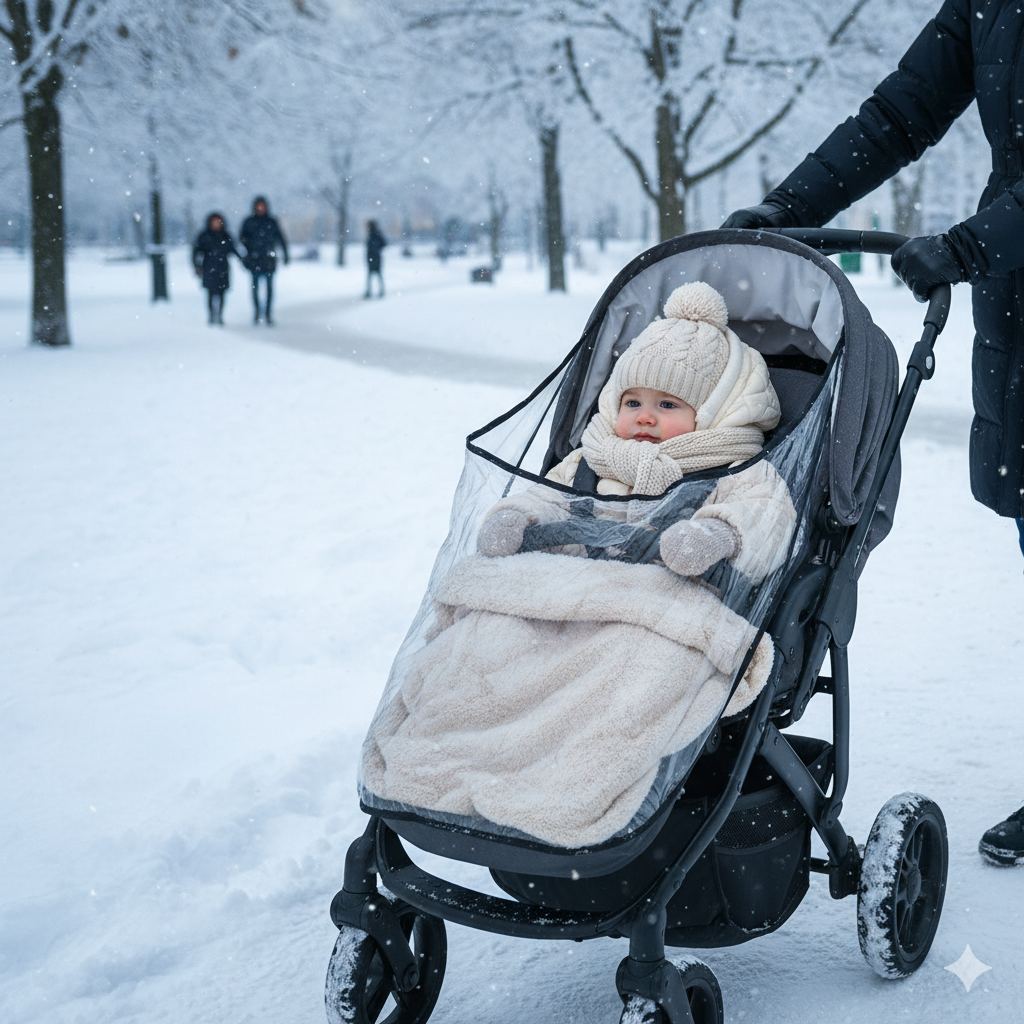
3. 아기와의 외출, 언제 피해야 할까?
아기와 외출할 때 온도 조절은 더욱 어렵습니다.
연구에서 "아기 외출은 이 온도부터 절대 안 된다"라는 명확한 기준을 제시하지는 않지만, 체감온도를 기준으로 참고할 수 있는 유용한 지침들이 있습니다.
일반적으로 사람들은 야외 온도가 30℃ 이상일 때 야외 활동이 5% 감소하고, 35℃ 이상에서는 13%까지 크게 줄어드는 등 더운 날씨에 외출을 자제합니다 (Fan et al., 2023).
특히 1시간 이상 야외에 머무를 때 대부분의 사람(80%)이 수용 가능한 쾌적한 체감온도 범위는 다음과 같습니다.
- PET (신체등가온도) 기준: 약 21 ~ 27℃
- UTCI (보편적 기후지수) 기준: 약 22~ 30℃
(Cheung & Jim, 2018; Huang et al., 2019; Zhao et al., 2016; Tang et al., 2022)
아기나 어린이는 성인보다 더위와 추위에 훨씬 취약합니다. 따라서 다음과 같은 상황에서는 외출을 삼가거나, 하더라도 시간을 매우 짧게 하고 그늘이나 통풍이 잘되는 곳을 이용하는 것이 안전합니다 (Fan et al., 2023; Cheung & Jim, 2018; Tang et al., 2022).
[아기 외출 시 주의해야 할 온도]
- 더위: 실외 기온 30℃ 이상, 또는 체감온도가 27~30℃를 넘는 경우
- 추위: 한파로 인해 기온이 10℃ 이하로 떨어지는 경우
참고로, 체감온도가 45℃ 이상일 때는 야외 활동을 중단하는 것이 권고됩니다 (Tang et al., 2022).
💡 결론 및 요약
아기의 안전한 온도 관리는 '월령', '체중', '출생 주수'에 따라 맞춤형으로 접근해야 합니다. 저체온과 고체온 모두 아기 건강에 해로우므로, WHO와 같은 국제 가이드라인과 최신 연구를 참고하여 안전한 환경을 만들어주는 것이 중요합니다.
[참고문헌]
Auger, N., Fraser, W., Smargiassi, A., & Kosatsky, T. (2015). Ambient Heat and Sudden Infant Death: A Case-Crossover Study Spanning 30 Years in Montreal, Canada. Environmental Health Perspectives, 123, 712 - 716.
Baraff, L., Schriger, D., Bass, J., Fleisher, G., Klein, J., Mccracken, G., & Powell, K. (1997). Commentary on Practice Guidelines. Pediatrics, 100, 134-136.
Cheung, P., & Jim, C. (2018). Subjective outdoor thermal comfort and urban green space usage in humid-subtropical Hong Kong. Energy and Buildings.
Dunne, E., O'Donnell, C., Nakstad, B., & McCarthy, L. (2024). Thermoregulation for very preterm infants in the delivery room: a narrative review. Pediatric Research, 95, 1448 - 1454.
Fan, Y., Wang, J., Obradovich, N., & Zheng, S. (2023). Intraday adaptation to extreme temperatures in outdoor activity. Scientific Reports, 13.
Garcia-Souto, M., & Dabnichki, P. (2016). Core and local skin temperature: 3–24 months old toddlers and comparison to adults. Building and Environment, 104, 286-295.
Harer, M., Vergales, B., Cady, T., Early, A., Chisholm, C., & Swanson, J. (2017). Implementation of a multidisciplinary guideline improves preterm infant admission temperatures. Journal of Perinatology, 37, 1242-1247.
Huang, Z., Cheng, B., Gou, Z., & Zhang, F. (2019). Outdoor thermal comfort and adaptive behaviors in a university campus in China's hot summer-cold winter climate region. Building and Environment.
Kardum, D., Bell, E., Grčić, B., & Müller, A. (2022). Duration of skin-to-skin care and rectal temperatures in late preterm and term infants. BMC Pregnancy and Childbirth, 22.
Kato, S., Iwata, O., Iwata, S., Yamada, T., Tsuda, K., Tanaka, T., & Saitoh, S. (2022). Admission temperature of very low birth weight infants and outcomes at three years old. Scientific Reports, 12.
Kurazumi, Y., Fukagawa, K., Sakoi, T., Yamashita, K., Naito, A., Imai, M., Yamato, Y., Kondo, E., & Tsuchikawa, T. (2022). Convective heat transfer coefficient relating to evaluation of thermal environment of infant. Heliyon, 8.
Lemyre, B., & Chau, V. (2018). Hypothermia for newborns with hypoxic-ischemic encephalopathy.. Paediatrics & child health, 23 4, 285-291.
McCall, E., Alderdice, F., Halliday, H., Vohra, S., & Johnston, L. (2018). Interventions to prevent hypothermia at birth in preterm and/or low birth weight infants.. The Cochrane database of systematic reviews, 2, CD004210.
McCarthy, L., & O’Donnell, C. (2021). Comparison of rectal and axillary temperature measurements in preterm newborns. Archives of Disease in Childhood. Fetal and Neonatal Edition, 106, 509 - 513.
Mishra, U., August, D., Walker, K., Jani, P., & Tracy, M. (2024). Thermoregulation, incubator humidity, and skincare practices in appropriate for gestational age ultra-low birth weight infants: need for more evidence. World Journal of Pediatrics, 20, 643 - 652.
Pantell, R., Roberts, K., Adams, W., Dreyer, B., Kuppermann, N., O'Leary, S., Okechukwu, K., & Woods, C. (2021). Evaluation and Management of Well-Appearing Febrile Infants 8 to 60 Days Old. Pediatrics, 148.
Ramaswamy, V., De Almeida, M., Dawson, J., Trevisanuto, D., Nakwa, F., Kamlin, C., Hosono, S., Wyckoff, M., & Liley, H. (2022). Maintaining normal temperature immediately after birth in late preterm and term infants: A systematic review and meta-analysis.. Resuscitation.
Ramaswamy, V., Dawson, J., De Almeida, M., Trevisanuto, D., Nakwa, F., Kamlin, C., Trang, J., Wyckoff, M., Weiner, G., & Liley, H. (2023). Maintaining normothermia immediately after birth in preterm infants < 34 weeks' gestation: A Systematic review and meta-analysis.. Resuscitation, 109934.
Sauer, P., Dane, H., & Visser, H. (1984). New standards for neutral thermal environment of healthy very low birthweight infants in week one of life.. Archives of Disease in Childhood, 59, 18 - 22.
Tang, T., Zhou, X., Zhang, Y., Feng, X., Liu, W., Fang, Z., & Zheng, Z. (2022). Investigation into the thermal comfort and physiological adaptability of outdoor physical training in college students.. The Science of the total environment, 155979.
Tveiten, L., Diep, L., Halvorsen, T., & Markestad, T. (2024). Normal range and risk factors for deviating body temperatures in the first 24 hours in term-born infants under standardised care: an observational study. BMJ Paediatrics Open, 8.
Wailoo, M., Petersen, S., Whittaker, H., & Goodenough, P. (1989). Sleeping body temperatures in 3-4 month old infants.. Archives of Disease in Childhood, 64, 596 - 599.
Wailoo, M., Petersen, S., Whittaker, H., & Goodenough, P. (1989). The thermal environment in which 3-4 month old infants sleep at home.. Archives of Disease in Childhood, 64, 600 - 604.
Ys, J., Lin, Z., Lv, H., Ym, L., Green, R., Lin, J., & Lin, J. (2013). Effect of delivery room temperature on the admission temperature of premature infants: a randomized controlled trial. Journal of Perinatology, 33, 264-267.
Zhao, L., Zhou, X., Li, L., He, S., & Chen, R. (2016). Study on outdoor thermal comfort on a campus in a subtropical urban area in summer. Sustainable Cities and Society, 22, 164-170.
※ 이 포스팅은 쿠팡 파트너스 활동의 일환으로, 이에 따른 일정액의 수수료를 제공받습니다.
'우리 가족 건강관리' 카테고리의 다른 글
| 아기 알레르기 예방, '이때' 시작해야 합니다 (0) | 2025.11.11 |
|---|---|
| 월령별 아기 수면시간부터 안전수칙까지 (0) | 2025.11.10 |
| 신생아 밤중 코막힘의 5가지 이유와 대처법 (0) | 2025.11.03 |
| '유기농' vs '무농약', 친환경 인증 마크의 의미 (0) | 2025.10.24 |
| 구강유산균(프로바이오틱스) 2탄, 전신 건강에 미치는 영향 (0) | 2025.10.23 |


